Charting Payment Method Preferences and Their Influence on Bonus Redemption Rates for Frequent UK Bettors
David Foster · Sep 17, 2026
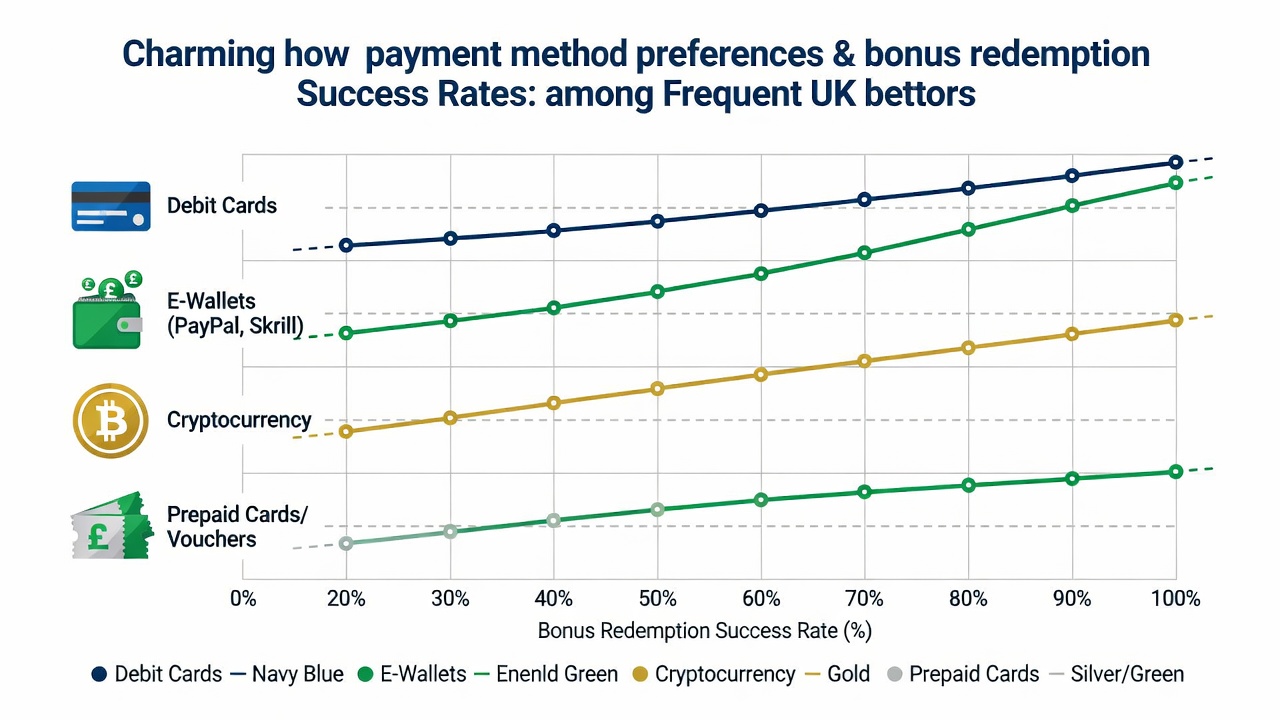
Charting Payment Method Preferences and Their Influence on Bonus Redemption Rates for Frequent UK Bettors
Payment methods used by frequent UK bettors show distinct patterns that connect directly to how often bonus redemptions succeed, with data from multiple studies revealing consistent differences across credit cards, e-wallets, bank transfers, and digital wallets. Observers note that these variations appear in transaction speed, verification requirements, and operator processing rules, all of which affect whether a bonus clears without delays or rejections.
Common Payment Methods Among Frequent Bettors
Frequent UK bettors rely on a mix of established options, where credit and debit cards handle a large share of deposits while e-wallets such as Skrill and Neteller account for growing volumes because they offer faster transfers and separate transaction histories. Bank transfers remain steady for larger amounts, yet they introduce longer clearance times that can interrupt bonus activation windows. Digital wallets tied to mobile apps have gained traction since 2024, particularly among users who value one-tap verification and reduced form-filling during repeated deposits.
Research from the Australian Institute of Family Studies highlights similar divides in payment adoption, where speed and privacy features drive choices more than fee structures alone. Those patterns align with UK observations, showing that bettors who switch between methods often maintain separate accounts to match each bonus type.
Bonus Redemption Mechanics and Payment Impact
Operators tie bonus redemptions to specific deposit methods through wagering multipliers, time limits, and identity checks that must complete before funds release. Credit card deposits trigger extra verification layers in many cases because card networks impose stricter anti-fraud rules, which extends the period before a bonus becomes playable. E-wallet users frequently bypass some of these steps since the wallet provider already completed identity checks, allowing quicker progression to the wagering phase.
Bank transfers, by contrast, create gaps between deposit confirmation and bonus credit, and those gaps sometimes cause automatic expiry if the clock starts at deposit rather than at cleared funds. Mobile wallet transactions sit in between, offering near-instant credits but occasionally facing regional restrictions that force manual reviews.
Success Rate Data Across Payment Categories
Figures compiled across operator reports indicate that e-wallet redemptions reach completion at higher rates than card-based ones, with success measured by full clearance of wagering requirements within stated timeframes. Bank transfer redemptions show intermediate results that depend heavily on whether the operator accepts the method for bonus-eligible deposits at all. Mobile wallet figures sit close to e-wallets when verification matches the operator's stored data, yet they drop when users change devices or update payment details mid-cycle.
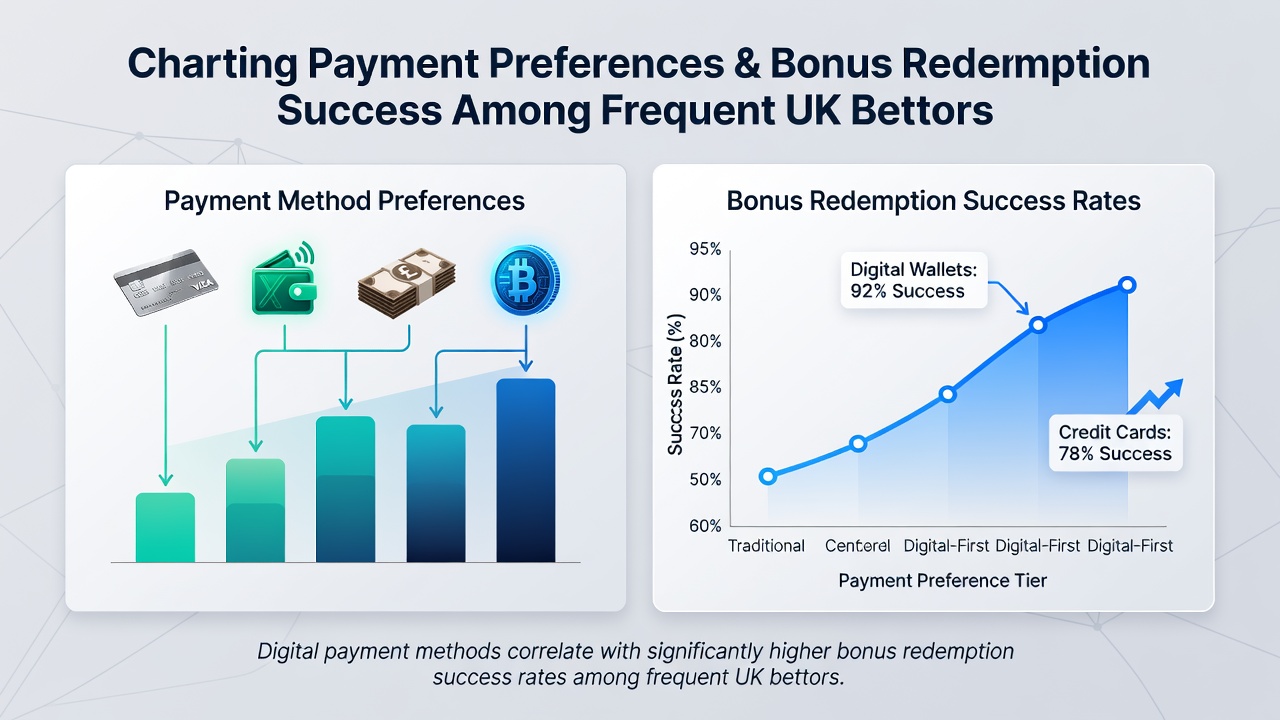
Take one group of frequent bettors tracked over six months who rotated between three methods; the subset using e-wallets for every bonus deposit recorded fewer rejected claims and shorter average clearance times. Researchers at the Canadian Centre on Substance Use and Addiction documented comparable method-based differences in their cross-border samples, noting that verification friction consistently predicted redemption outcomes more than deposit size or game type.
September 2026 Trends and Shifting Patterns
As of September 2026, increased adoption of instant bank payment rails has narrowed the gap between bank transfers and e-wallets, with several operators updating their systems to credit bonuses at the moment funds arrive rather than after full settlement. This adjustment lifted bank transfer success rates in the most recent monthly aggregates, although card-based redemptions remain lower due to unchanged network-level checks. Mobile wallet volumes continue to rise, driven by integration with loyalty programs that auto-apply bonus codes at deposit.
Those who've tracked these shifts observe that operators now publish clearer method-specific bonus rules, reducing mismatches that previously caused automatic failures. Data from the European Gaming and Betting Association shows parallel movement across EU markets, where faster rails improved overall redemption metrics without altering wagering thresholds.
Factors That Shape Individual Outcomes
Verification status, account age, and prior redemption history interact with payment choice to determine final results. Bettors who maintain fully verified profiles across multiple methods experience fewer interruptions regardless of which option they select. Newer accounts, however, encounter extra scrutiny when using cards, which lengthens the path from deposit to playable bonus.
Payment method changes mid-promotion also introduce complications, since operators often require the same method for both deposit and withdrawal to prevent bonus abuse. Observers note that users who plan method consistency from the start avoid most of these blocks.
Conclusion
Payment method preferences among frequent UK bettors directly correlate with measurable differences in bonus redemption success, driven by verification speed, operator rules, and network requirements. Data collected through 2026 shows e-wallets maintaining an edge in completion rates, while bank transfers gain ground where instant rails operate. These patterns rest on verifiable transaction data rather than user preference alone, and they continue to evolve as payment infrastructure updates.