Decoding Conditional Structures in Smartphone-Based Incentive Programs from Established Gambling Operators
Rosa Ludwig · Aug 19, 2026
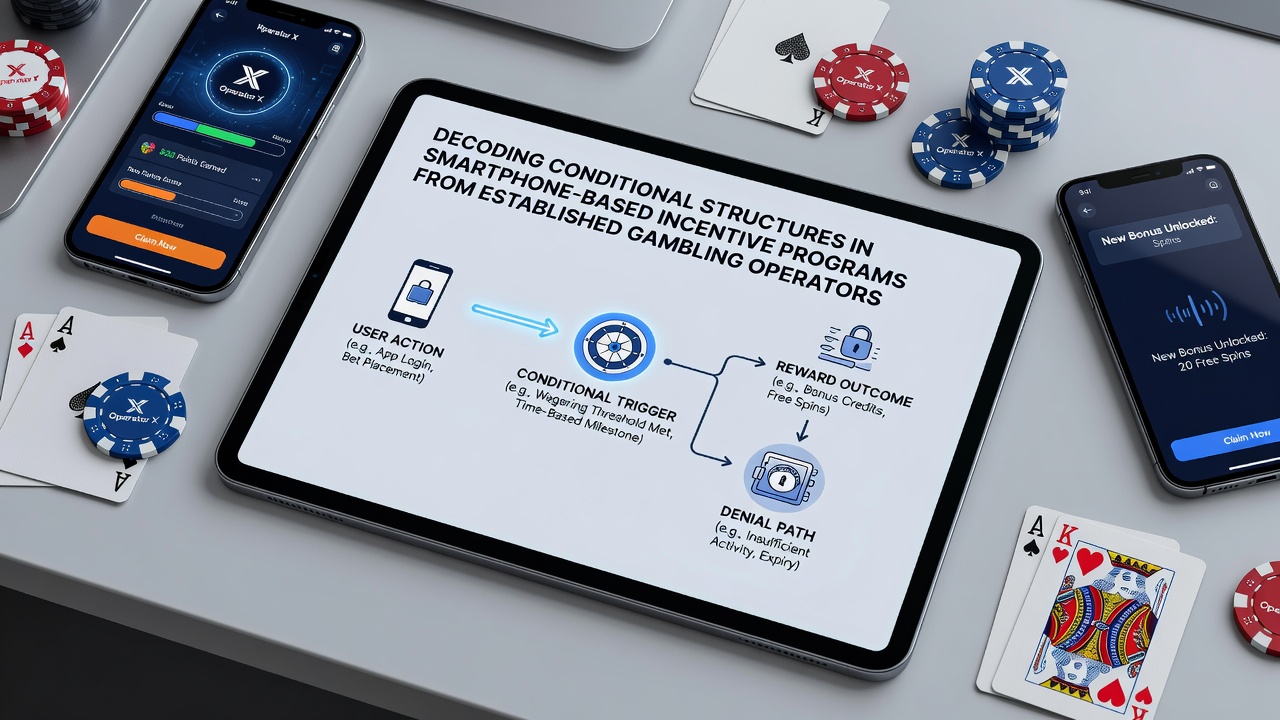
Decoding Conditional Structures in Smartphone-Based Incentive Programs from Established Gambling Operators
Smartphone applications from established gambling operators deliver incentive programs built around layered conditional structures that determine eligibility, activation, and payout rules, and these frameworks rely on data tracking, user behavior analytics, and automated verification systems to enforce compliance across mobile platforms.
Operators design these conditions to balance player engagement with risk management protocols, which means users encounter requirements such as minimum deposit thresholds, specific game participation rates, and time-bound activation windows that must align with account verification status before any reward becomes accessible.
Core Components of Conditional Frameworks
Conditional structures typically incorporate wagering multipliers that scale rewards based on deposit size, yet they also integrate geographic restrictions tied to licensing jurisdictions along with device-specific authentication checks that verify app version and operating system compatibility before processing claims. Research from academic institutions shows these elements combine to create multi-step sequences where each stage gates the next, and operators update the parameters through server-side pushes that affect all active sessions simultaneously.
Time-limited offers add another layer because they trigger countdown timers visible within the app interface, and failure to meet activity benchmarks within those windows resets progress without notification in some cases. Data from industry reports indicate that participation rates drop sharply when conditions exceed five sequential requirements, which prompts operators to streamline presentation while maintaining backend complexity.
Smartphone Implementation Patterns
Mobile apps embed conditional logic directly into user flows through push notifications and in-app banners that surface personalized terms based on prior activity logs, whereas desktop versions often present the same information in static menus. This difference arises because smartphone interfaces support real-time GPS checks and biometric confirmations that operators use to validate location and identity before unlocking incentives.
Established operators integrate these features with third-party compliance tools that monitor for pattern anomalies, and August 2026 marks the scheduled rollout of enhanced API standards in several North American markets that will require apps to display condition summaries in standardized formats. Those updates aim to reduce user confusion around rollover calculations and eligibility criteria without altering the underlying mathematical structures.
Regional Regulatory Variations
Regulatory bodies in different territories impose distinct disclosure mandates that shape how operators present conditions within smartphone environments, and the New Jersey Division of Gaming Enforcement requires explicit listing of all playthrough percentages alongside maximum cashout limits. Meanwhile the Australian Communications and Media Authority enforces mandatory cooling-off periods that reset conditional timers when users exceed daily session thresholds.
European frameworks add further constraints through consumer protection directives that limit auto-renewal of bonus programs, which forces app developers to include explicit opt-in toggles at each stage. Observers note that these regional differences create fragmented user experiences for players who access multiple operator apps across borders, since condition sets rarely translate directly from one jurisdiction to another.
One study conducted by university researchers examined over 200 mobile incentive campaigns and found that operators using adaptive condition algorithms achieved higher retention metrics when they adjusted multipliers in response to individual play patterns rather than applying uniform rules across all accounts.
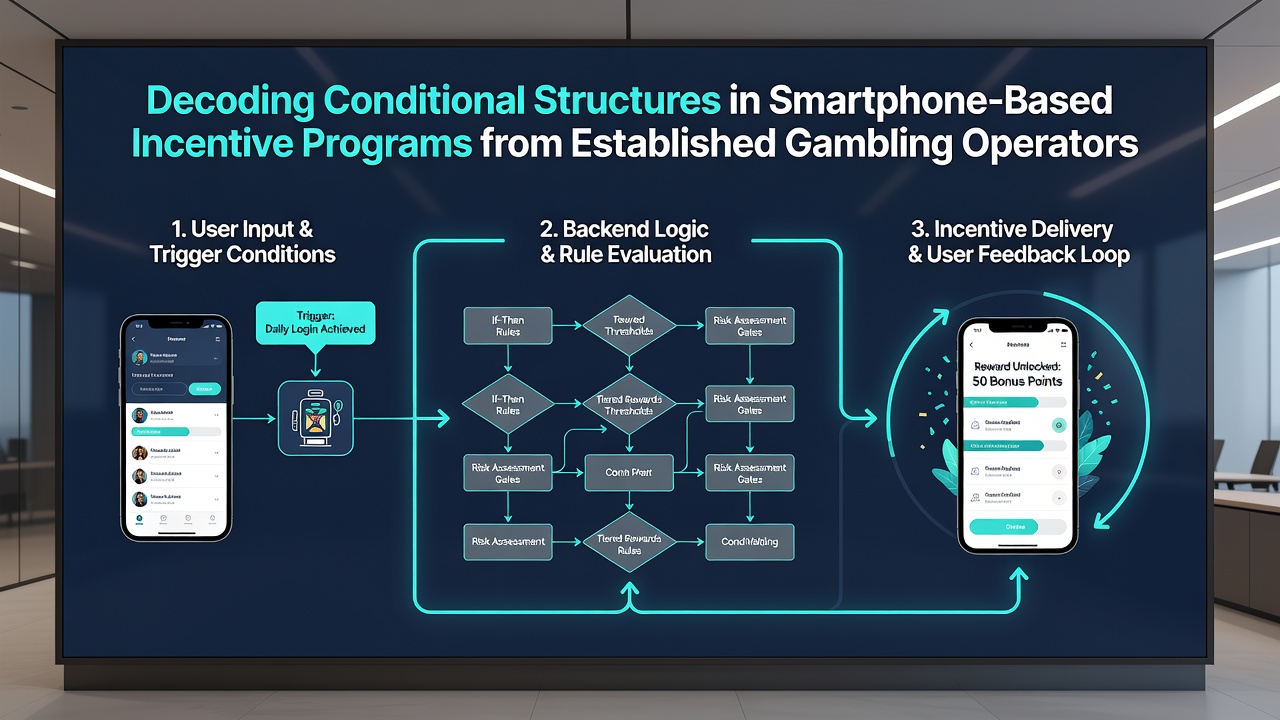
Technical Mechanisms Behind Enforcement
Backend systems track every qualifying action through event logging that feeds into decision engines responsible for approving or denying reward releases, and these engines cross-reference data from payment processors, game servers, and device fingerprinting services before finalizing outcomes. When conditions involve multiple operators through shared loyalty networks, the apps must synchronize status updates across separate databases in near real time to prevent duplicate claims.
Security protocols encrypt condition parameters during transmission between app and server, which protects against tampering attempts while still allowing users to review current progress through dashboard views. Industry organizations such as the American Gaming Association have documented how these technical safeguards contribute to overall program integrity across major platforms.
Examples from Major Operators
Take one established operator that structures its welcome package around a tiered deposit match where the second and third deposits unlock additional percentages only after the first set of conditions clears, and the app displays cumulative progress through animated progress bars that update after each verified bet. Another provider applies game-category weighting so that table game activity contributes less toward completion than slot play, a distinction enforced automatically through the app's categorization filters.
Those who've studied these programs observe that operators frequently revise condition sets in response to performance data, with adjustments appearing as silent updates that affect new users immediately while grandfathering existing campaigns under prior rules. This approach maintains flexibility without disrupting active participant cohorts.
Conclusion
Conditional structures in smartphone-based incentive programs reflect a sophisticated intersection of regulatory requirements, technical capabilities, and business objectives that established gambling operators continue to refine through iterative updates. August 2026 will bring additional standardization in select markets, yet the core mechanics of eligibility tracking and automated enforcement are likely to persist across platforms. Users interact with these systems through interfaces that mask underlying complexity, while backend processes ensure each condition serves its intended purpose within the broader operational framework.