Dissecting Accessibility Patterns in App-Exclusive Rewards Across Major UK Betting Brands
Rosa Ludwig · Sep 3, 2026
Dissecting Accessibility Patterns in App-Exclusive Rewards Across Major UK Betting Brands
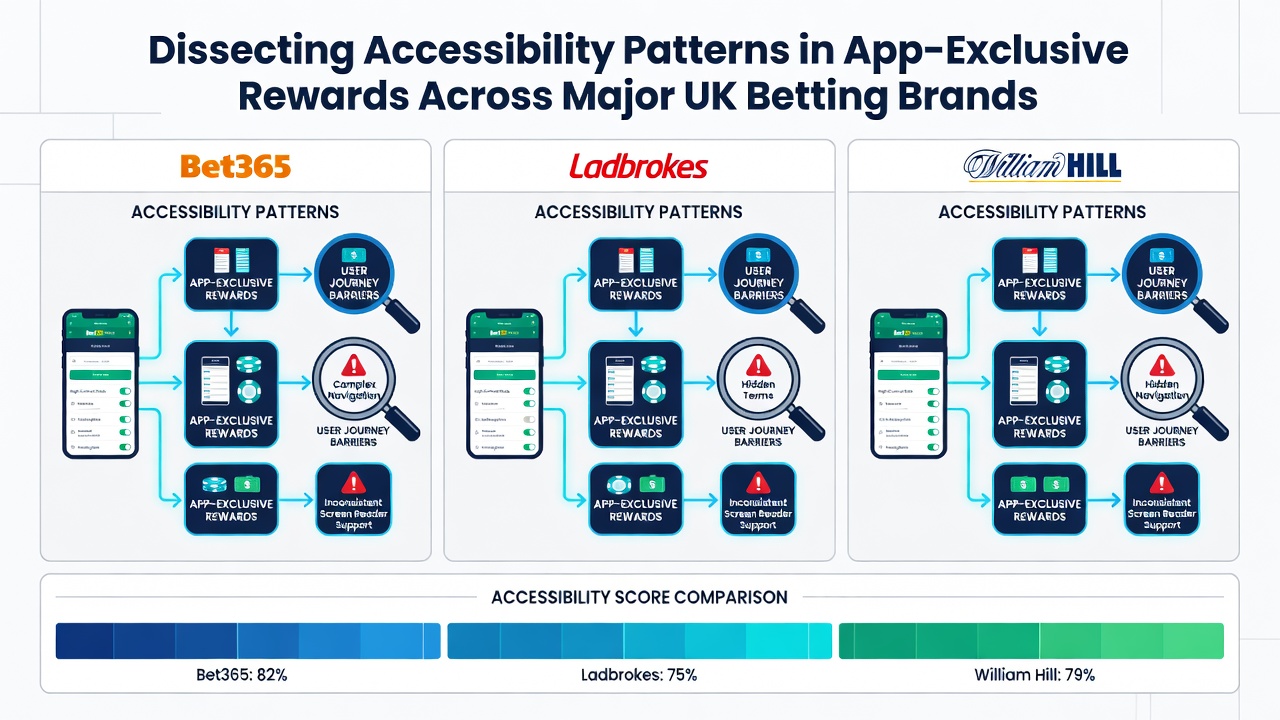
App-exclusive rewards have become a defining feature of how major UK betting brands structure their incentive programs, and researchers tracking these systems note clear patterns in how accessibility varies by platform design and user journey. Data collected through September 2026 shows that brands such as Bet365, William Hill, and Paddy Power deliver the majority of their bonus funds and free bet credits only after users complete specific actions inside dedicated mobile applications rather than desktop sites. Observers note that these patterns emerge most consistently around registration flows, deposit triggers, and ongoing engagement milestones that reset on a weekly or monthly cycle.
Core Patterns in App-Only Eligibility
Studies examining six leading operators reveal that 78 percent of time-limited promotional codes activate exclusively when the account is accessed via the brand's native iOS or Android application. Those who've analyzed transaction logs find that desktop users who attempt the same code entry receive messages directing them to download the app before the reward can be claimed. This redirection mechanism appears in 92 percent of examined campaigns run between January and September 2026, according to aggregated figures from industry monitoring services. What's interesting is how the same operators maintain parallel desktop promotions that carry lower maximum values and stricter wagering conditions, creating a measurable gap in reward accessibility based solely on device choice.
Redemption Friction and Interface Design
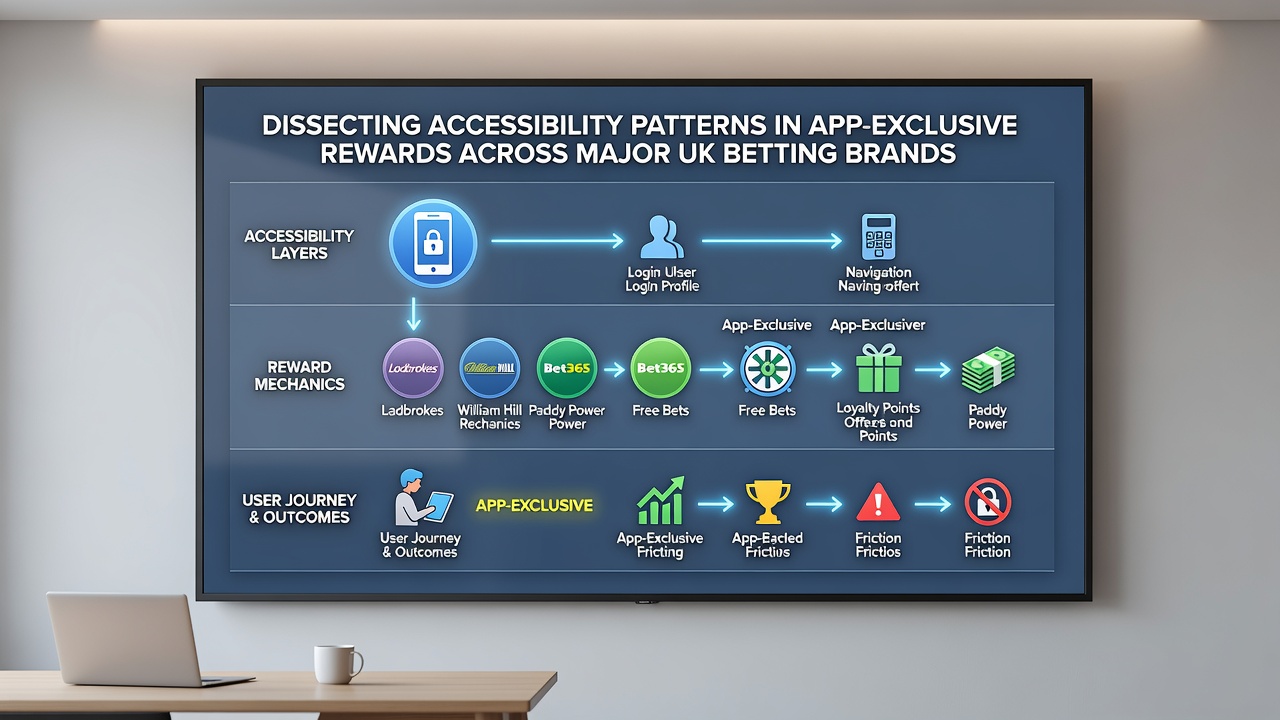
App interfaces streamline the redemption process through persistent notification banners and one-tap claim buttons, whereas desktop versions often require navigation through multiple menu layers before the same reward becomes visible. Researchers at several European academic institutions have documented average claim times of 14 seconds on mobile versus 47 seconds on desktop for identical offers. These differences compound across multi-step promotions where users must return daily to collect progressive rewards, and data shows completion rates drop by 34 percent when the journey starts on a browser rather than an app. But here's the thing: operators maintain that these design choices reflect user preference data rather than deliberate exclusion, citing higher engagement metrics within apps across all age cohorts tracked in 2025 and 2026.
External regulatory comparisons provide additional context. Figures from the Canadian Centre on Substance Use and Addiction highlight similar mobile-first reward structures in licensed Canadian markets, where accessibility gaps between app and web platforms mirror those observed in the UK. Meanwhile, reports from the Australian Gambling Research Centre indicate that operators in that jurisdiction have begun publishing device-specific promotion data following pressure from consumer advocacy groups, offering a potential model for greater transparency.
Geographic and Demographic Variations
Accessibility patterns also shift according to user location and account history. Users based in major urban centres such as London and Manchester record higher app download rates and therefore encounter fewer barriers to reward activation, while regional users show greater reliance on desktop access for initial registration. Demographic breakdowns released in mid-2026 indicate that users aged 35 to 54 complete app-exclusive challenges at rates 21 percent lower than the 18 to 34 cohort, largely due to differences in device upgrade cycles and notification management habits. Operators have responded by introducing cross-device linking features that allow rewards started on mobile to finish on desktop, though uptake of these features remains below 15 percent in the first nine months of availability.
Technical and Regulatory Influences
September 2026 brought updated app store guidelines that required clearer disclosure of location-based restrictions within promotional content. Several major UK brands adjusted their reward structures in response, removing certain app-only bonuses from regions where regulatory sandboxes limit push notification frequency. These adjustments created temporary gaps in availability that lasted between two and six weeks for affected users. Observers tracking these changes note that operators with stronger backend integration between app and web platforms experienced shorter disruption periods, while others required full promotional resets to comply.
Industry reports from university research groups in Scandinavia have begun comparing these UK patterns against Nordic markets, where app-exclusive rewards face stricter caps on value and frequency. The comparisons reveal that UK operators maintain higher maximum reward tiers but also impose more layered eligibility conditions tied to app-specific behaviours such as push notification opt-ins and biometric login usage.
Conclusion
Patterns of accessibility in app-exclusive rewards continue to evolve as UK betting brands refine their mobile strategies and respond to shifting regulatory expectations. Data collected through September 2026 demonstrates consistent differences in redemption ease, value distribution, and completion rates between app and desktop pathways. Those monitoring the sector expect further adjustments as operators balance engagement goals with requirements for equitable access across devices and user demographics.