Exploring Loyalty Tiers and Their Effect on Long-Term Bonus Availability at UK Operators
Vera Schmitt · Aug 22, 2026
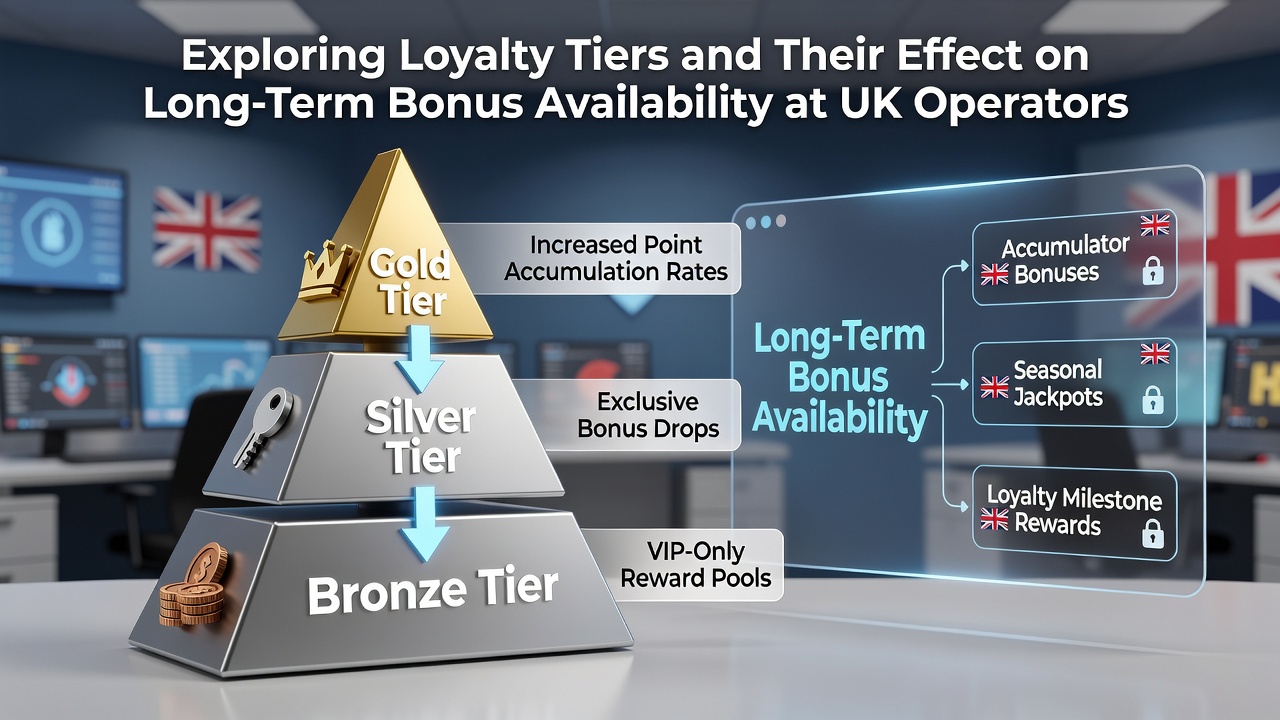
Exploring Loyalty Tiers and Their Effect on Long-Term Bonus Availability at UK Operators
UK operators structure loyalty programs around tiered systems that reward consistent activity with escalating access to bonuses, and these frameworks determine which promotions remain available months or years after initial sign-up. Players accumulate points through deposits, wagers and retention metrics, then move between levels such as bronze, silver, gold and platinum, each unlocking distinct bonus categories that extend over longer timeframes than entry-level offers.
How Tier Systems Operate Across Major Operators
Operators calculate tier progression using rolling activity windows, often spanning 30 to 90 days, while higher tiers grant priority on reload bonuses, cashback percentages and exclusive event promotions that lower tiers cannot access. Data collected by industry analysts shows that once a player reaches gold or platinum status, the frequency of personalised bonus notifications increases, and the validity periods of those offers stretch further into subsequent quarters.
Lower tiers typically receive standard welcome or first-deposit bonuses that expire within seven to thirty days, whereas elevated tiers receive ongoing incentives tied to monthly or quarterly wagering targets. Observers note that this structure encourages sustained engagement because the most valuable long-term bonuses only activate after sustained point accumulation.
Effects on Bonus Longevity and Availability
Long-term bonus availability shifts noticeably as players ascend tiers, since operators reserve recurring promotions such as weekly free bets or loyalty cashback for silver and above. Research from the Australian Gambling Research Centre indicates that players in higher tiers maintain bonus eligibility across multiple calendar quarters, while those remaining in entry levels see their promotional options narrow after the initial three-month window.
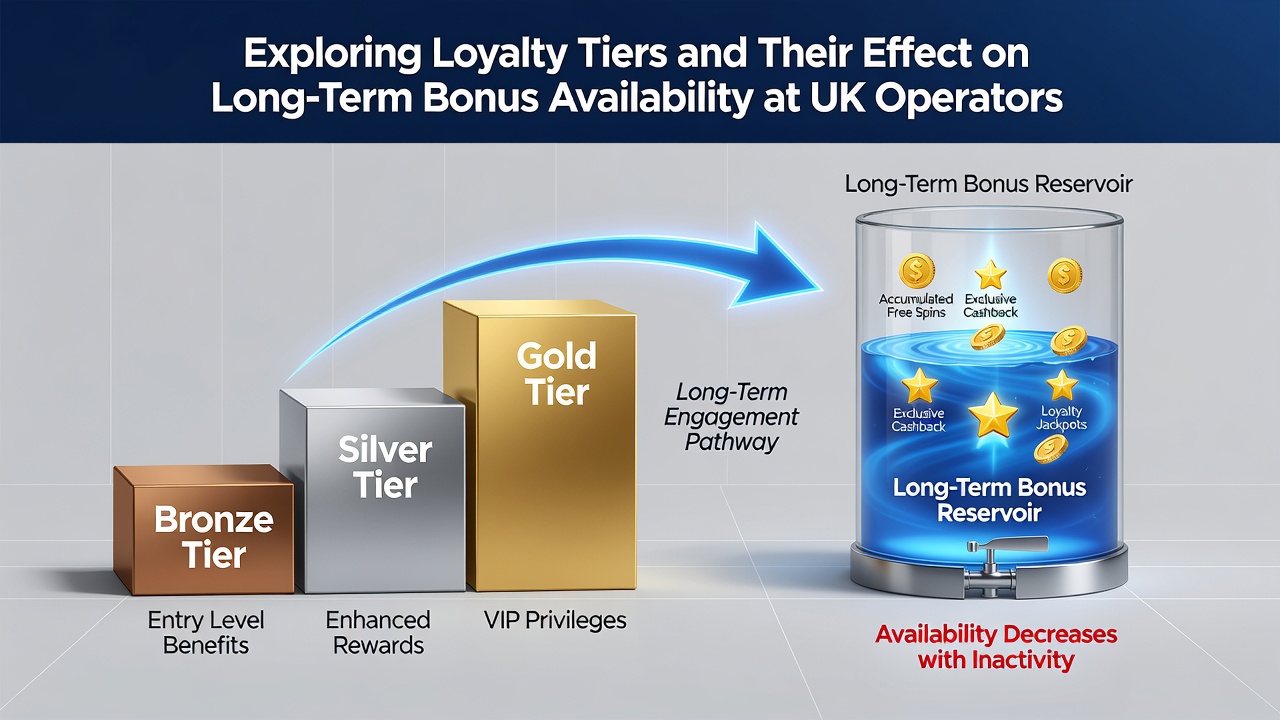
August 2026 brought fresh figures from several operator networks showing that platinum-tier members redeemed an average of 2.8 times more long-cycle bonuses than bronze members during the preceding financial year. These patterns hold because tier status directly gates access to multi-month loyalty calendars that list exclusive reloads unavailable to newer or less active accounts.
Point Accumulation Mechanics and Tier Retention
Operators award points at different rates depending on product type, with sports betting often yielding higher multipliers than casino games, and players must meet minimum monthly thresholds to avoid automatic demotion. Those who studied these mechanics across multiple sites report that retention of gold status requires consistent deposits of at least £250 per month at many platforms, while platinum frequently demands £1,000 or more alongside specific game volume.
Because demotion resets bonus access, operators create strong incentives for continued activity, and the most generous long-term offers remain locked behind sustained tier maintenance. Industry reports from the Responsible Gambling Council of Canada highlight similar tier-retention patterns in other regulated markets, confirming that bonus availability contracts sharply when status drops.
Regional Comparisons and Emerging Patterns
UK programmes differ from some international counterparts in their emphasis on sports-related loyalty points, yet the core principle remains consistent: higher tiers secure longer availability windows for personalised offers. A study published through the International Gaming Institute at the University of Nevada found that operators using tiered systems experience 34 percent higher 12-month retention among top-tier players compared with flat loyalty models.
Operators continue to refine these structures, and analysts expect further segmentation of bonus pools by tier level through the end of 2026 as data analytics improve. The result is a landscape where long-term bonus access becomes increasingly concentrated among the smallest percentage of highly active accounts.
Conclusion
Loyalty tiers function as gatekeepers that extend bonus availability for those who maintain elevated status while restricting options for others, and this dynamic shapes how UK operators distribute incentives across their player bases over extended periods. Continued monitoring of tier movement data will reveal whether these patterns intensify or stabilise in subsequent years.