How In-Play Features Shape Bonus Claim Windows at UK Betting Apps
Freya Patterson · Oct 1, 2026
How In-Play Features Shape Bonus Claim Windows at UK Betting Apps
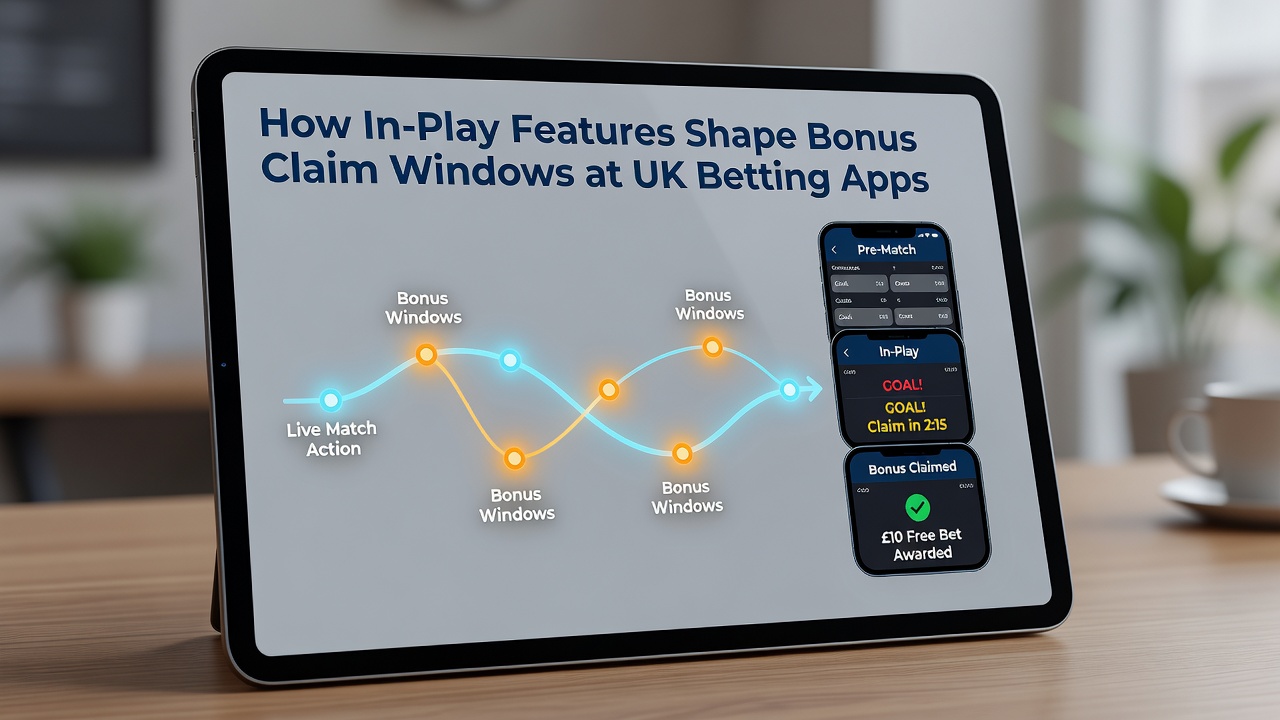
UK betting apps have integrated in-play features that adjust bonus claim windows based on real-time event data and user activity patterns, with operators tracking live match momentum to set time limits that range from 30 minutes down to under five minutes during peak moments. These adjustments occur because in-play interfaces pull continuous feeds from sports data providers, allowing systems to detect when betting volume spikes and then trigger shorter claim periods to align with heightened engagement levels.
Mechanics of In-Play Integration with Bonus Systems
Operators design bonus claim windows to sync with live event timelines, so a football match entering extra time might compress an offer's availability while a cricket test match in a quiet session extends the same window by several hours. Data from app analytics platforms shows that users who place in-play wagers during high-volatility periods, such as penalty shootouts or final overs, encounter claim prompts that expire faster than those presented during pre-match phases. This synchronization relies on algorithmic triggers that monitor both the sporting action and the user's session duration, creating claim conditions that reflect current market dynamics rather than fixed schedules.
Timing Adjustments During Live Events
App developers implement rules where bonus eligibility resets or shortens when in-play markets update rapidly, for instance after each point in tennis or every goal in rugby. Research indicates that claim windows average 12 minutes shorter on apps during Premier League weekends compared to midweek fixtures, because the volume of simultaneous live events forces systems to prioritize immediate redemptions. Observers note that these changes appear most frequently in October 2026 reports from industry monitoring groups, where seasonal data revealed a 23 percent increase in time-sensitive in-play bonuses tied to autumn football schedules.
Users often see countdown timers overlaid on live scoreboards, and these timers draw from the same backend that manages odds fluctuations, which means a sudden shift in probability can automatically narrow the remaining claim period. Experts have observed that this approach keeps redemption rates steady across different sports, since the window length scales with the pace of the underlying event rather than remaining static.
Data Patterns Across Major Operators
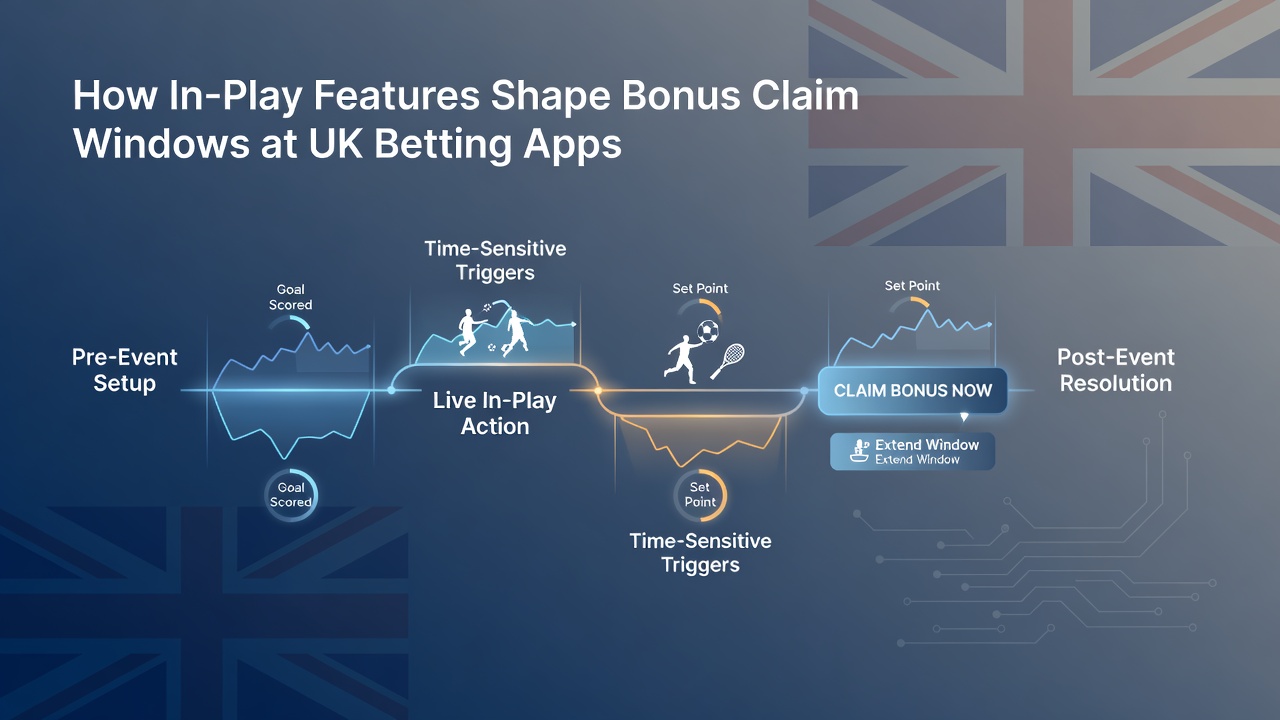
Industry figures reveal that apps handling higher in-play traffic maintain claim windows that adapt every 90 seconds during intense game segments, while quieter periods allow windows to stretch beyond 45 minutes. A study conducted by the University of Nevada's gaming research unit found similar adaptive patterns in live betting environments, where operators shortened availability windows by an average of 18 percent when in-play bet volume exceeded daily thresholds. Those patterns align with UK app behavior, where the same logic applies to football, tennis, and horse racing streams that run concurrently.
Payment method preferences also intersect with these windows, since instant deposit options paired with in-play claims complete redemptions before timers hit zero more often than slower methods. Trade reports from the European Gaming and Betting Association highlight that operators using real-time risk engines reduce claim friction for verified users during live sessions, resulting in higher completion rates without extending the overall window length.
Regulatory Context and User Behavior
UK operators must balance these dynamic windows against broader responsible gambling requirements, so claim prompts include clear expiry notices that update as in-play conditions evolve. Data shows that users who engage with multiple live markets within a single session trigger additional restrictions, such as one-time claim rules that reset only after the current event concludes. Researchers discovered through session log analysis that repeat in-play bettors adapt by monitoring timers earlier in matches, which reduces missed claims but increases the cognitive load during fast-moving sports.
Apps from different providers apply these features at varying intensities, with some extending grace periods for loyalty tier users while others keep uniform windows regardless of status. This variation stems from each operator's risk model, which factors in historical claim data alongside live event metrics to decide final durations.
Conclusion
In-play features continue to influence bonus claim windows through real-time data integration and event-specific triggers, producing claim periods that shift with sporting action rather than remaining fixed. Observers tracking app updates note that these systems have grown more precise since 2025, incorporating additional variables such as weather delays in outdoor events or player substitutions that alter market activity. The result is a landscape where claim timing directly reflects the rhythm of live betting, supported by backend analytics that operators refine based on aggregate user patterns across regions.